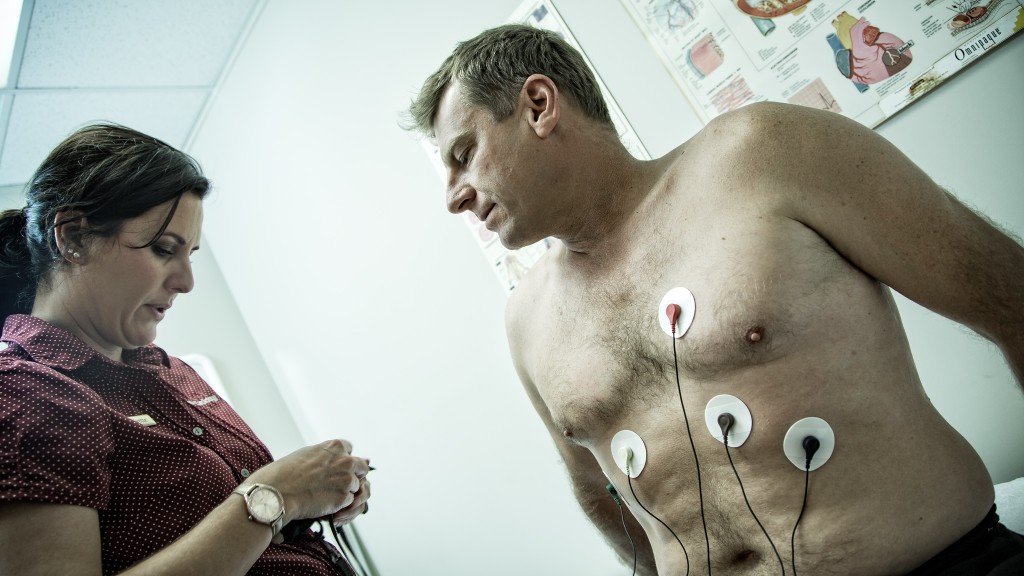
24 Hour Holter Monitor
-
What is a Holter Monitor?
A Holter Monitor is a portable heart rhythm recording device that continuously records your heart’s electrical activity (ECG) over 24 to 72 hours (or longer in some cases).
It allows your doctor to assess your heart rhythm during normal daily activities and sleep.
-
Why has my doctor ordered a Holter Monitor?
Your doctor may request a Holter Monitor to:
- Investigate palpitations, skipped beats, or racing heart
- Assess dizziness, light-headedness, or fainting
- Detect irregular heart rhythms (arrhythmias)
- Monitor known heart rhythm conditions
- Check heart rhythm after starting or changing medication
- Assess symptoms that do not occur during a standard ECG
-
What does a Holter Monitor record?
The monitor records:
- Heart rate and rhythm over an extended period
- Abnormal heartbeats (fast, slow, or irregular rhythms)
- Rhythm changes during symptoms, sleep, exercise or stress
This helps link symptoms with heart rhythm changes.
-
Is a Holter Monitor safe?
Yes. A Holter Monitor is safe.
- It only records electrical activity – it does not deliver electricity
- There is no radiation
- It can be worn safely during sleep and daily activities
-
How do I prepare for the test?
Preparation is simple:
- Shower before your appointment (you cannot shower while wearing it)
- If you are wearing the monitor for more than 24 hours, you will be instructed on how to remove and re-fit to shower.
- Avoid applying lotions, oils or powders to your chest
- Wear loose, comfortable clothing
- Men with significant chest hair may require small areas to be shaved to ensure good electrode contact
You may eat, drink, and take medications as normal, unless advised otherwise by your doctor.
-
What happens when the monitor is fitted?
- Three electrodes are placed on your chest which are attached to a small recording device.
- You will be given instructions and a symptom diary.
Fitting usually takes 10-15 minutes.
-
What should I do while wearing the Holter Monitor?
You should:
- Go about your normal daily activities.
- Keep the monitor on at all times.
- Avoid getting the device wet (no showers, baths, or swimming).
- Record symptoms, activities and times in the diary provided.
Try to live as normally as possible so the recording reflects your usual heart rhythm.
-
What symptoms should I write in the diary?
Please record:
- Palpitations or fluttering.
- Dizziness or light-headedness.
- Shortness of breath.
- Chest discomfort.
- Fatigue.
- Fainting or near-fainting.
Include the time, what you were doing and how you felt.
-
Will it hurt?
No. The Holter Monitor is not painful.
Some people may notice mild skin irritation from the electrodes, which usually settles quickly once they are removed.
-
Can I sleep while wearing it?
Yes.
You should sleep as normal. The monitor is designed to record heart rhythm during sleep.
-
Can I exercise while wearing it?
Light to moderate activity is usually encouraged unless your doctor has advised otherwise.
Avoid activities that may:
- Dislodge the electrodes
- Cause excessive sweating
- Get the device wet
If unsure, ask the Cardiac Technician when the monitor is fitted.
-
How long do I wear the monitor?
Most Holter Monitors are worn for:
- 24 hours
- 72 hours
Some patients may be asked to wear the monitor for an extended period.
-
What happens after the monitoring period?
- You return the monitor to the WA Cardiology at a specified time
- The data is downloaded and analysed
- A Cardiologist reviews the recording and prepares a report
- Results are sent to your referring doctor
-
When will I get my results?
If significant or urgent abnormalities are detected, they are communicated promptly.
Your referring doctor will receive the report and discuss the results with you.
Please allow up to 5 business days for your results to be with your referring Doctor.
-
Does Medicare cover a Holter Monitor?
In most cases, Medicare provides a rebate when:
- You have a valid referral from a GP or Specialist
- The test meets Medicare criteria
-
What if the electrodes fall off?
If an electrode becomes loose:
- Re-attach it if possible
- If unable to re-attach, leave it off and note it in your diary
- Contact WA Cardiology on 6169 2016 if multiple electrodes come off
-
What if I feel unwell while wearing the monitor?
If you feel unwell:
- Record your symptoms in the diary
- Seek urgent medical attention if symptoms are severe or worrying
- In an emergency, call 000
-
Can I cancel or reschedule my appointment?
If you need to change your appointment, please contact the clinic as early as possible so the monitor can be allocated to another patient.
-
Who can I contact if I have questions?
If you have questions before, during, or after wearing your Holter Monitor, please contact your cardiology clinic – the team is happy to help.